
Living with persistent discomfort often feels like an uphill battle. Many people search for a single miracle cure, but reversing chronic joint pain at home requires a steady, patient approach. True healing comes from consistent daily habits rather than quick fixes.
You can achieve meaningful joint pain relief by combining gentle movement with smart recovery strategies. This process involves tracking your symptoms and making small, sustainable lifestyle adjustments. By viewing your body as a system that needs balance, you create a foundation for long-term wellness.
Our guide explores how to integrate physical activity, rest, and professional evaluation into your routine. These steps work together to help you regain mobility and improve your quality of life. Start your journey toward feeling better today by focusing on these essential, interconnected pillars of health.
Key Takeaways
- Healing is a gradual process built on consistent daily self-care habits.
- Gentle movement is essential for maintaining flexibility and reducing stiffness.
- Tracking your symptoms helps identify triggers and measure your progress over time.
- Lifestyle adjustments, such as nutrition and rest, play a vital role in recovery.
- Professional medical evaluation remains a necessary part of any comprehensive relief plan.
Understanding What May Be Causing Chronic Joint Pain
Identifying the root cause of your discomfort is the first step toward effective relief. While many people look for natural remedies for joint pain, understanding the mechanics of your body is equally important. Joint pain is rarely the result of a single event; it is often a combination of lifestyle, history, and biological factors.
How Arthritis, Previous Injuries, and Overuse Affect the Joints
Arthritis is one of the most common contributors to long-term joint discomfort. This condition involves the breakdown of cartilage, which acts as a cushion between your bones. When this protective layer wears thin, friction increases, leading to pain and limited range of motion.
Previous injuries also play a significant role in how your joints function today. Even an old sports injury or a minor fall can alter the way your joints align, creating uneven stress over time. Similarly, repetitive strain from daily tasks or work habits can lead to chronic overuse, causing the tissues surrounding the joint to become irritated and inflamed.
Why Inflammation, Muscle Weakness, and Stiffness Can Reinforce Pain
When a joint becomes painful, your natural instinct is often to move it less. Unfortunately, this lack of movement can lead to muscle weakness, which removes the vital support your joints need to stay stable. As muscles weaken, the joint bears more load, which triggers further inflammation and stiffness.
This cycle creates a feedback loop that makes managing joint pain at home more challenging. Inflammation causes swelling, which restricts your ability to move freely. When you stop moving, the joint becomes even stiffer, making the next attempt at activity feel more difficult than the last.
When Persistent Joint Pain Requires Medical Evaluation
While many people find success with home-based strategies, some symptoms indicate that you need professional medical advice. It is important to listen to your body and recognize when a situation requires more than just self-care. You should consult a healthcare provider if you notice any of the following warning signs:
- Significant swelling or redness around the joint area.
- A feeling of instability or the joint “giving way” during movement.
- Pain that is accompanied by a fever or unexplained weight loss.
- Inability to bear weight on the affected limb.
- Pain that continues to worsen despite consistent efforts to rest or modify your activity.
Seeking timely medical evaluation ensures that you rule out underlying conditions that might require specific treatments. Once a professional clears you for activity, you can return to your routine with confidence.
Reversing chronic joint pain at home: Creating a Safe Relief Plan
Reversing chronic joint pain at home requires more than just hope; it demands a structured approach. By moving away from the search for an overnight cure, you can focus on sustainable habits that improve your quality of life. A holistic approach to joint pain allows you to address the root causes while managing daily symptoms effectively.
Set realistic goals for pain reduction, mobility, and daily function
Success begins with defining what recovery looks like for your specific situation. Instead of aiming for total pain elimination immediately, focus on incremental improvements in your ability to perform daily tasks. You might set a goal to walk for ten minutes without discomfort or to improve your range of motion during morning stretches.
These small wins build momentum and keep you motivated. Remember that consistent progress is far more valuable than short bursts of intense activity that might lead to setbacks. Keep your expectations grounded in your current physical reality.
Track pain triggers, stiffness, activity levels, and progress
Knowledge is your greatest tool when managing discomfort. Start a simple journal to record how your joints feel throughout the day, noting any specific activities or weather changes that seem to increase stiffness. This data helps you identify patterns that you might otherwise overlook.
When you document your daily routine, you gain clarity on which exercises for joint pain relief are actually working for you. Use this log to share detailed information with your healthcare provider during your next visit. Having a clear record makes it much easier to refine your plan over time.
Adjust one self-care strategy at a time to identify what helps
It is tempting to try every new remedy at once, but this makes it impossible to know what is truly effective. If you change your diet, start a new supplement, and begin a new movement routine simultaneously, you will not know which one provided relief. Patience is essential when testing new methods.
Change only one variable every few days or weeks to observe the results clearly. This methodical process ensures that you build a personalized relief plan that is safe and effective for your body. By isolating each strategy, you empower yourself to make informed decisions about your long-term health.
Using Heat, Cold, Rest, and Movement for Daily Joint Pain Relief
Finding the right balance between rest and activity is a cornerstone of managing joint health. Many at-home treatments for chronic joint pain rely on simple, consistent habits that help you stay comfortable throughout the day. By understanding how your body responds to different stimuli, you can take charge of your daily wellness.
When heat can ease stiffness and prepare the body for movement
Heat is an excellent tool for loosening up tight muscles and stiff joints. Applying a warm compress or taking a warm shower in the morning can significantly improve your range of motion before you start your daily tasks.
Warmth helps by increasing blood flow to the affected area. This process delivers essential nutrients and oxygen to the tissues, making them more pliable and ready for gentle activity.
When cold can help reduce swelling after activity
While heat prepares the body, cold is often best used after you have been active. If you notice inflammation or swelling after a walk or household chores, a cold pack can provide soothing relief.
“The simplest tools are often the most effective when it comes to managing the body’s daily signals of discomfort.”
Cold therapy works by constricting blood vessels, which helps to numb the area and limit fluid buildup. Always wrap your ice pack in a thin towel to protect your skin from direct contact.
How to use rest without becoming overly sedentary
Rest is vital for recovery, but it should be used strategically. Avoid staying in one position for too long, as this can lead to increased stiffness and discomfort.
Instead of complete inactivity, try “active rest.” This means shifting your position frequently or performing light stretches while sitting. The goal is to support reducing joint pain naturally by keeping your joints lubricated through gentle, non-strenuous movement.
Building brief movement breaks into work and household routines
Incorporating small bursts of movement into your schedule prevents your joints from locking up. Even a two-minute walk around your home or office can make a world of difference.
- Set a timer to remind yourself to stand up every hour.
- Perform gentle ankle circles or shoulder rolls while watching television.
- Use household chores as an opportunity to move your body in different planes of motion.
By consistently prioritizing movement, you are actively reducing joint pain naturally. These small, manageable habits are key components of effective at-home treatments for chronic joint pain that support long-term mobility.
Exercises for Joint Pain Relief and Better Mobility
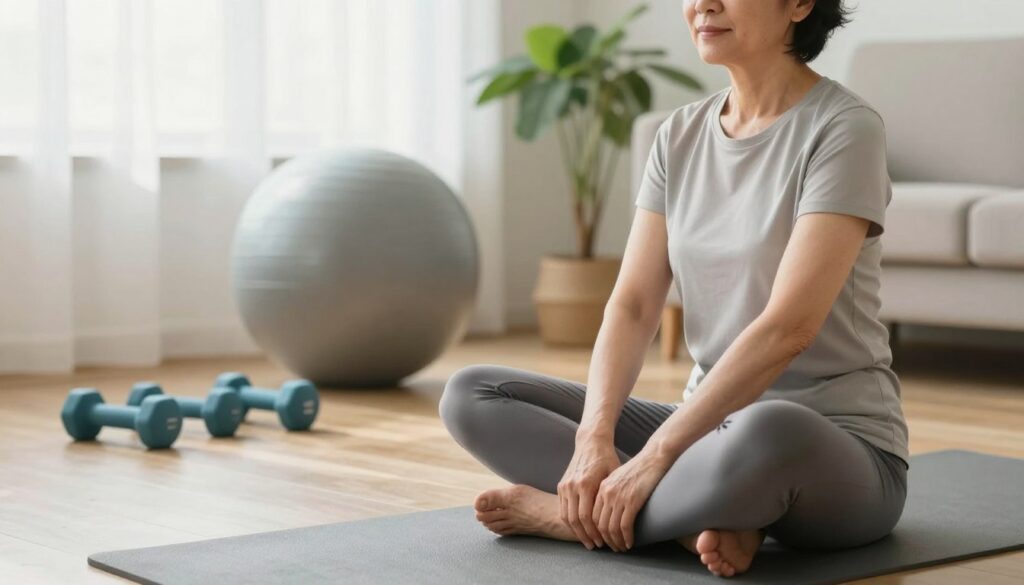
Incorporating movement into your daily routine is a powerful strategy for alleviating joint pain at home. While it might feel counterintuitive to move when you are hurting, staying sedentary often makes stiffness worse. The right approach focuses on gentle, consistent activity that respects your body’s current limits.
Low-impact aerobic activities that support circulation and endurance
Low-impact activities are excellent for keeping your heart healthy without putting excessive stress on your joints. Walking on flat surfaces, swimming, or using a stationary bike can help lubricate your joints through increased blood flow. These activities build the endurance you need to stay active throughout the day.
Gentle range-of-motion exercises for stiff joints
When you feel stiff, range-of-motion movements help restore your natural flexibility. These joint pain relief exercises should be performed slowly and smoothly, never forcing a joint into a painful position. Simple movements like shoulder rolls or ankle circles can make a significant difference in how you feel each morning.
Strength exercises that support the knees, hips, shoulders, and spine
Building muscle around your joints acts like a natural shock absorber. Stronger muscles take the pressure off your bones, which is vital for long-term comfort. Focus on controlled movements like wall slides for your knees or gentle resistance band work for your shoulders to provide essential support for your frame.
Balance and stability exercises for safer everyday movement
Improving your balance is a key part of alleviating joint pain at home, as it helps you move with more confidence. Practicing standing on one leg while holding onto a sturdy chair can prevent falls and improve your coordination. These movements ensure that you can navigate stairs and uneven surfaces with much greater ease.
| Exercise Category | Primary Benefit | Example Activity |
|---|---|---|
| Low-Impact Aerobic | Circulation & Endurance | Stationary Cycling |
| Range-of-Motion | Reduced Stiffness | Gentle Stretching |
| Strength Training | Joint Support | Resistance Bands |
| Balance & Stability | Fall Prevention | Single-Leg Stance |
Always remember to start slowly and listen to your body. If you experience sharp or escalating pain, stop immediately and consult a professional. Using these joint pain relief exercises consistently will help you regain your mobility and improve your quality of life over time.
Natural Remedies for Joint Pain and Everyday Symptom Management
Supporting your joints from the inside out is a powerful way to enhance your overall well-being. While physical activity is essential, your daily habits provide the necessary fuel for recovery and long-term comfort. Integrating these at-home joint pain treatments into your routine can create a more supportive environment for your body.
Supporting comfort with sleep, hydration, and nutritious meals
Quality sleep acts as the body’s primary time for repair and tissue regeneration. When you are well-rested, your pain threshold often improves, making it easier to manage daily tasks. Furthermore, staying hydrated is crucial for maintaining the lubrication of your joints and the health of your cartilage.
Eating a balanced diet rich in whole foods provides the vitamins and minerals your body needs to function optimally. Focus on incorporating colorful vegetables, lean proteins, and healthy fats into your meals. These choices help provide the building blocks for strong, resilient tissues.
Foods and dietary patterns that may support a healthy inflammatory response
Certain dietary patterns are known for their ability to help the body manage inflammation naturally. Many people find success by focusing on an anti-inflammatory approach, which emphasizes whole, unprocessed ingredients. This strategy is a cornerstone of effective chronic joint pain reduction.
Consider adding foods high in omega-3 fatty acids, such as walnuts, flaxseeds, and fatty fish like salmon. Berries, leafy greens, and turmeric are also excellent additions that may support your body’s natural defense systems. Consistency with these food choices often yields the best results over time.
How weight management can reduce stress on weight-bearing joints
Maintaining a healthy weight is one of the most effective ways to protect your knees, hips, and spine. Every extra pound of body weight exerts significant pressure on these joints during movement. By managing your weight, you can dramatically decrease the mechanical stress placed on your body every single day.
Small, sustainable changes to your eating habits and activity levels can lead to meaningful weight management. This approach not only aids in chronic joint pain reduction but also improves your overall mobility and energy levels. Always consult with a healthcare provider to determine a healthy goal that fits your specific needs.
Evaluating supplements and topical remedies carefully
The market is filled with various supplements and topical creams designed to offer relief. However, it is essential to approach these products with caution and skepticism. Not all remedies are backed by rigorous science, and some may interact with your current medications.
Before starting any new supplement, speak with your doctor or a licensed pharmacist to ensure it is safe for your unique health profile. When using topical products, perform a small patch test to check for skin sensitivity. Relying on professional guidance ensures that your at-home joint pain treatments remain safe and effective for your long-term health.
Managing Joint Pain at Home Through Lifestyle Changes
Transforming your home and work habits is a powerful way to support your body’s natural healing process. While medical treatments are important, alleviating joint pain naturally often starts with the small, consistent choices you make every single day. By optimizing your environment, you can reduce unnecessary strain and create a foundation for lasting comfort.
Improving sleep habits to support recovery and pain resilience
Quality sleep is essential for tissue repair and managing inflammation. When you are well-rested, your body is better equipped to handle discomfort throughout the day. Consider using supportive pillows to keep your joints in a neutral position while you sleep, which prevents stiffness upon waking.
Using ergonomic changes at home, work, and in the car
Your posture during daily tasks significantly influences your joint health. Whether you are sitting at a desk or driving, small adjustments can make a world of difference. Ensure your chair provides adequate lumbar support and that your computer screen sits at eye level to avoid neck strain.
- Adjust your car seat to keep your knees slightly lower than your hips.
- Use a footrest if your feet do not touch the floor comfortably.
- Keep frequently used items within easy reach to avoid awkward stretching.
Selecting supportive footwear and assistive tools when appropriate
The right gear acts as a shock absorber for your body. Investing in shoes with proper arch support and cushioning is one of the most effective home remedies for joint pain relief. Additionally, do not hesitate to use assistive tools like jar openers or reachers to minimize stress on your hands and back.
Reducing stress with breathing exercises, mindfulness, or gentle relaxation
Chronic stress can heighten your perception of pain and increase muscle tension. Incorporating mindfulness practices into your schedule helps calm the nervous system and promotes physical relaxation. Even five minutes of deep, rhythmic breathing can be a highly effective method for alleviating joint pain naturally.
“The body achieves what the mind believes, and a relaxed mind is the first step toward a pain-free body.”
Building a Holistic Approach to Joint Pain Relief
Building a sustainable routine means balancing activity with intentional recovery. When you look at your health through a wider lens, you discover that effective joint pain management strategies at home rely on the synergy of several daily habits. By integrating movement with rest, you create a foundation for lasting comfort.
Combining exercise, mobility work, recovery, and medical care
A comprehensive plan addresses the body as a whole system rather than focusing on a single point of discomfort. You should aim to blend gentle strength training with dedicated mobility sessions to keep your joints fluid. Consistency is the secret ingredient that turns these small efforts into significant improvements over time.
“The body is a complex machine that thrives on balance, requiring both the challenge of movement and the quiet of recovery to function at its best.”
Working with physical therapists and other qualified professionals
Sometimes, the best path forward involves seeking expert guidance to refine your technique. Physical therapists are trained to identify specific movement limitations that might be hindering your progress. They can provide a personalized roadmap, ensuring that your efforts are both safe and highly effective.
Working with a professional helps you gain confidence in your own abilities. They can teach you how to modify exercises to suit your unique anatomy. This partnership is a vital component of managing joint pain without medication, as it empowers you to take control of your physical well-being.
Using pacing to prevent the boom-and-bust cycle of overactivity and rest
Many people fall into a trap where they overdo it on “good days” and then suffer through long periods of inactivity. Pacing allows you to distribute your energy more evenly throughout the week. By breaking tasks into smaller, manageable chunks, you avoid the exhaustion that often triggers flare-ups.
- Monitor your energy levels before starting a new task.
- Take short, frequent breaks to prevent joint stiffness.
- Prioritize quality of movement over the total duration of activity.
Adopting this steady approach protects your joints from unnecessary strain. It transforms your daily routine into a sustainable practice that supports your long-term health goals.
Common Mistakes That Can Delay Chronic Joint Pain Reduction
Achieving lasting relief often depends as much on what you stop doing as what you start doing. When you commit to a holistic approach to joint pain relief, it is easy to feel eager for quick results. However, certain common habits can accidentally stall your progress and keep you from feeling your best.
Relying on complete rest or avoiding all movement
Many people believe that staying off their feet is the best way to protect aching joints. In reality, total inactivity often leads to increased stiffness and muscle atrophy. Your joints need gentle, consistent movement to stay lubricated and healthy.
Increasing exercise intensity too quickly
It is natural to want to push yourself when you finally start feeling a bit better. Unfortunately, ramping up your activity level too fast can trigger a painful flare-up. Gradual progression is the safest way to build strength without overwhelming your body.
“The greatest mistake you can make in life is to be continually fearing you will make one.”
Ignoring swelling, instability, or pain that keeps getting worse
While some minor discomfort is normal during exercise, sharp or persistent pain is a warning sign. If you notice new swelling or a feeling of instability, it is time to pause and evaluate your routine. Ignoring these signals can lead to long-term damage that is much harder to manage later.
Replacing professional care with unverified home remedies
There are many helpful tips for reducing joint pain at home, but they should never replace expert medical advice. Relying solely on unverified supplements or internet trends can be risky. Always consult with a qualified professional to ensure your recovery plan is safe and effective for your specific needs.
Conclusion
Managing your physical comfort requires patience and a steady commitment to your daily habits. You hold the power to improve your mobility by choosing consistent lifestyle changes for joint pain relief. Small adjustments to your routine often lead to significant improvements in how you move throughout the day.
Effective at-home remedies for chronic joint pain work best when you track your progress carefully. Keep a simple log of your activities and symptoms to see what works for your unique body. This data helps you refine your approach over time.
Remember that these self-care techniques for joint pain reversal serve as a partner to professional medical guidance. Always consult with experts like those at the Mayo Clinic or your local physical therapist to ensure your plan remains safe. Your path to better movement is a marathon rather than a sprint.
Stay observant of how your body responds to new exercises or dietary shifts. Adjust your pace when necessary to avoid burnout or injury. You can build a more active and comfortable life by staying dedicated to these sustainable practices every single day.
FAQ
What is the best way to start reversing chronic joint pain at home?
The most effective way to begin reversing chronic joint pain at home is to focus on a consistent, gradual routine rather than looking for an instant fix. Start by tracking your pain triggers and incorporating gentle joint pain relief exercises, such as those recommended by SilverSneakers or Yoga with Adriene, to improve mobility without overexerting yourself.
Are there effective natural remedies for joint pain that actually work?
Yes, many individuals find that alleviating joint pain naturally is possible through a combination of dietary changes and topical applications. Using Voltaren Gel for targeted relief or incorporating anti-inflammatory foods recommended by the Arthritis Foundation—such as turmeric, ginger, or omega-3 rich salmon—are excellent natural remedies for joint pain that support the body’s inflammatory response.
Which exercises for joint pain relief are safest for beginners?
When managing joint pain at home, low-impact activities are your best friend. Focus on joint pain relief exercises like swimming, stationary cycling, or walking in supportive Hoka or Brooks sneakers. These activities boost circulation and strengthen the muscles surrounding your joints without the harsh impact of high-intensity training.
How does a holistic approach to joint pain relief differ from standard treatments?
A holistic approach to joint pain relief addresses the whole person rather than just the localized pain. By implementing lifestyle changes for joint pain relief, such as using a Purple mattress for better spinal alignment or practicing mindfulness via the Calm app to lower stress-induced tension, you address the underlying factors that contribute to long-term discomfort.
Is managing joint pain without medication a realistic goal for everyone?
While managing joint pain without medication is a goal for many, it should be viewed as a supportive strategy. Using at-home joint pain treatments like a Sunbeam heating pad to loosen stiff muscles in the morning and a Cryo-Max cold pack after activity can significantly aid in chronic joint pain reduction, often reducing the need for over-the-counter interventions.
What are some practical tips for reducing joint pain at home during a flare-up?
One of the best tips for reducing joint pain at home is to practice “pacing.” Avoid the “boom-and-bust” cycle by breaking up household chores into 15-minute segments. Utilizing self-care techniques for joint pain reversal, such as staying hydrated with a Stanley tumbler and using ergonomic tools like Logitech vertical mice, helps maintain progress even on days when you feel stiff.
What are the most common at-home remedies for chronic joint pain?
Popular at-home remedies for chronic joint pain include ergonomic adjustments and assistive tools. For instance, swapping a standard chair for a Herman Miller ergonomic seat or using a Theragun for light percussion therapy on tight muscles are effective joint pain management strategies at home that provide alleviating joint pain naturally.
How do I know if my at-home treatments for chronic joint pain are working?
Consistency is key when alleviating joint pain at home. You should track your progress in a journal or an app like MyFitnessPal. Look for small victories, such as being able to walk further without discomfort or experiencing less morning stiffness. If you notice improved mobility and a decrease in the frequency of flare-ups, your at-home joint pain treatments are likely making a positive impact.