
In the age of viral health trends, the promise of a “clean slate” through detox diets and expensive juice cleanses has become incredibly alluring. We are constantly bombarded with marketing claims that suggest our bodies are overflowing with toxins and that a specific bottle of green elixir is the only way to reset our health. But does the science actually support the necessity of these protocols? By examining the reality of human physiology, we can move past the hype to discover whether a formal “detox” is truly beneficial or if your body already has a more sophisticated system in place.
“True restoration is not about purging what is within, but about honoring the innate wisdom of a body that is already working tirelessly to keep you balanced.”
To understand the concept of detoxification, one must first look at the body’s built-in defense mechanisms. Your liver, kidneys, lungs, and digestive tract function as a highly efficient, 24/7 detoxification plant. The liver, in particular, performs complex chemical reactions to neutralize environmental pollutants, metabolic byproducts, and dietary compounds, converting them into substances that can be safely excreted. Unlike a computer that needs a periodic reboot, the human body is designed for continuous clearance. When we lean into “detox” marketing, we often overlook the fact that these organs do not require external “cleansers” to function; they require specific micronutrients—like sulfur from cruciferous vegetables, fiber from whole plants, and adequate hydration—to perform their jobs at an optimal level

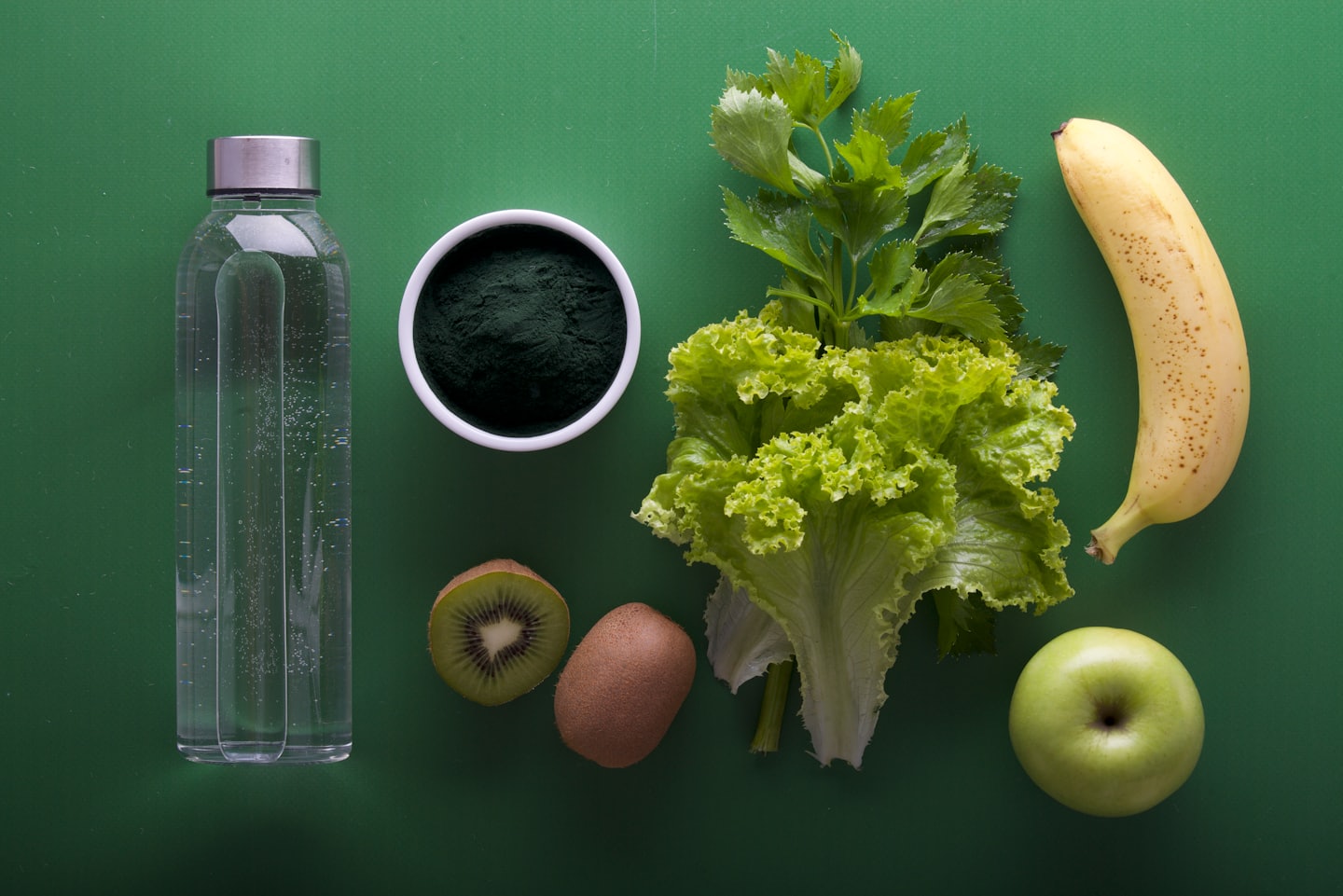
However, the appeal of a detox often stems from a genuine desire to feel lighter or to break free from poor eating habits. This brings us to a crucial distinction: there is a significant difference between a restrictive, liquid-only “detox” and the concept of a “nutritional reset.” While a 10-day juice fast might cause weight loss, it is often primarily water weight and stored glycogen, which can lead to fatigue and muscle loss rather than long-term metabolic health. Alternatively, shifting toward a whole-food, plant-forward lifestyle for a week serves a very different purpose. By removing ultra-processed sugars, inflammatory fats, and excess sodium, you aren’t “cleaning out toxins” in the way marketers claim; rather, you are giving your digestive system a break, reducing systemic inflammation, and recalibrating your palate to appreciate natural, nutrient-dense flavors.
Wrapping Up with Key Insights
Ultimately, the most effective “detox” is not a temporary fix, but a sustained commitment to supporting your body’s natural filtration systems. Instead of looking for a quick, external solution, focus on providing your liver and kidneys with the fuel they actually need: consistent hydration, diverse fiber sources, and a reduction in high-stress, processed foods. True wellness is found in the daily habits that reduce the toxic load on your system before it even begins, rather than trying to erase the effects of a lifestyle through short-term deprivation. As you move forward, ask yourself if your current routine adds vitality to your days or if it creates extra work for your body to manage—the answer will guide you toward a much healthier, more sustainable way of living.
What is one small, sustainable habit you could add to your daily routine today to support your body’s natural processes?