
Starting a journey toward better health often feels overwhelming, but it does not have to be complicated. Our simple slim kitchen 30-day meal plan offers a practical framework designed to help you reach your goals without spending hours in the pantry.
By focusing on realistic daily routines, this guide makes weight loss feel achievable rather than restrictive. You will discover how to balance nutrition with flavors you actually enjoy.
This article provides everything you need to succeed, from grocery shopping tips to structured weekly schedules. We prioritize healthy recipes that keep your energy high while supporting your body’s needs. Let’s transform your approach to eating with sustainable habits that last long after the month ends.
Key Takeaways
- Focus on sustainable habits for long-term success.
- Utilize organized grocery lists to save time and money.
- Follow a structured schedule to remove daily guesswork.
- Enjoy delicious, nutrient-dense food that fuels your body.
- Learn how to maintain progress through sensible, balanced choices.
How This Simple Slim Kitchen 30-Day Meal Plan Supports Weight Loss
Many people struggle with weight loss because they lack a consistent system to guide their daily food decisions. The simple slim kitchen 30-day meal plan provides a clear, actionable framework that removes the guesswork from your daily routine. By integrating this into your broader weight loss program, you create a reliable path toward your goals without feeling overwhelmed by complex rules.
What “Lose Weight Fast” Should Mean in a Healthy Plan
In the context of a healthy lifestyle, “losing weight fast” refers to consistent, steady progress rather than extreme restriction. True success comes from building habits that you can maintain long after the month is over. Our focus is on providing quick and nutritious meals that keep you satisfied while your body naturally sheds excess weight.
How a Moderate Calorie Deficit Encourages Steady Progress
A sustainable weight loss meal plan relies on a moderate calorie deficit. This approach ensures you have enough energy to power through your day while still encouraging your body to burn stored fat. By avoiding drastic cuts, you prevent the metabolic slowdown often associated with crash dieting.
- Focus on nutrient-dense whole foods.
- Avoid processed snacks that offer empty calories.
- Prioritize consistency over perfection.
The Role of Protein, Fiber, Healthy Fats, and Hydration
These four pillars are essential for creating low-calorie meals that actually keep you full. Protein helps maintain muscle mass, while fiber promotes digestive health and satiety. Healthy fats and proper hydration ensure your body functions at its peak, preventing the mid-afternoon energy crashes that often lead to poor food choices.
How to Personalize Portions for Your Body and Activity Level
Every individual has unique energy requirements based on their metabolism and daily movement. A nutritious diet plan must be flexible enough to accommodate these differences. You should adjust your portion sizes based on your hunger cues and how much you exercise, ensuring you feel fueled rather than deprived.
Set Up Your Kitchen and Shopping List Before Day One
Success in weight loss often begins long before you cook your first meal. By organizing your space and stocking the right ingredients, you turn nutritious cooking into a simple, daily habit rather than a chore. This meal planning guide helps you clear the clutter and focus on what truly matters for your health.
Essential Proteins for Quick, Nutritious Meals
High-quality protein is the foundation of any effective weight loss plan. Keeping versatile options like chicken breast, canned tuna, eggs, and firm tofu in your kitchen ensures you always have a base for a fast meal.
These staples are perfect for easy meal prep because they cook quickly and pair well with almost any vegetable. Having these items ready means you never have to scramble for a healthy dinner option after a long day.
Whole Grains, Beans, Fruits, and Vegetables to Keep on Hand
Fiber-rich foods keep you full and satisfied throughout the day. Stock your pantry with hearty grains like quinoa or rolled oats and keep your freezer stocked with bags of frozen broccoli, spinach, and mixed berries.
Fresh produce is wonderful, but frozen options are just as healthy and often more convenient. They are pre-washed and chopped, which makes meal prep for beginners much faster and less intimidating.
Healthy Fats, Flavor Boosters, and Low-Calorie Pantry Staples
Flavor is the key to staying consistent with your diet. You can transform simple ingredients into gourmet meals by using the right pantry staples.
| Category | Examples | Benefit |
|---|---|---|
| Healthy Fats | Olive oil, almonds, avocado | Satiety and heart health |
| Flavor Boosters | Garlic, lemon juice, hot sauce | Zero-calorie taste |
| Pantry Staples | Balsamic vinegar, dried herbs | Versatile seasoning |
Helpful Meal Prep Tools for Beginners
You do not need a professional kitchen to succeed with easy meal planning. A few basic tools will make your time in the kitchen much more efficient and enjoyable.
Invest in a set of glass storage containers, a sharp chef’s knife, and a digital food scale. These items help you portion your meals accurately, which is a vital part of meal prep for beginners. When your tools are ready, you are ready to start your journey with confidence.
The Daily Meal Structure for Simple, Balanced Eating
Mastering your daily meal structure transforms how you approach every single bite. By following a consistent meal planning guide, you remove the guesswork from your day and keep your energy levels stable. A balanced meal plan is not about restriction; it is about fueling your body with the right nutrients at the right time.
Building a Satisfying Breakfast
Your morning meal sets the tone for the entire day. Aim to combine a high-quality protein source with fiber to keep hunger at bay until lunch. Healthy eating tips suggest that starting with eggs, Greek yogurt, or protein-rich oats prevents mid-morning energy crashes.
Combining Lean Protein and Produce at Lunch
Lunch should focus on volume to keep you full without excess calories. Pair lean proteins like grilled chicken, tuna, or tofu with a large serving of colorful vegetables. This strategy ensures you enjoy low-calorie meals that are packed with essential vitamins and minerals.
“The secret of your future is hidden in your daily routine.”
Creating Filling, Portion-Aware Dinners
Dinner is the perfect time to practice portion awareness while enjoying a variety of flavors. Focus on filling half your plate with non-starchy vegetables, one-quarter with lean protein, and one-quarter with complex carbohydrates. This approach creates low-calorie meals that feel indulgent yet remain aligned with your weight loss goals.
Choosing Snacks Without Undermining Your Calorie Goals
Snacking should be a bridge between meals, not a source of hidden calories. When you feel hungry, choose nutrient-dense options like a handful of almonds, a piece of fruit, or cottage cheese. Following a healthy meal plan means being mindful of your hunger cues so you only eat when your body truly needs fuel.
Week One: Easy Meals to Establish Healthy Eating Habits
The first week of your transformation is all about building confidence through consistent, easy-to-prepare meals. By focusing on simple, repeatable combinations, you can reduce decision fatigue and stay on track with your goals. This weight loss meal plan serves as the foundation for your long-term success.
Days One and Two: Greek Yogurt, Oatmeal, and Chicken-Based Meals
Start your journey with high-protein breakfasts like Greek yogurt topped with berries or warm oatmeal. These diet-friendly meals keep you full throughout the morning. For lunch and dinner, lean chicken breast paired with steamed broccoli or a side salad provides the perfect balance of nutrients.
Days Three and Four: Eggs, Tuna, Turkey, and Colorful Vegetables
Mid-week, introduce variety by incorporating eggs and canned tuna into your routine. Scrambled eggs with spinach make for a quick breakfast, while a turkey wrap with plenty of fresh vegetables offers a satisfying lunch. These choices ensure your slim down meal plan remains exciting and flavorful.
Days Five and Six: Smoothies, Grain Bowls, and Lean Beef or Tofu
As you approach the weekend, try blending a nutrient-dense smoothie for a fast breakfast. Grain bowls featuring quinoa, lean beef, or tofu allow you to experiment with different textures and flavors. This approach helps you maintain an effective diet plan without feeling restricted.
Day Seven: A Flexible Meal Day with Planned Leftovers
Use the final day of the week to clear out your fridge by combining leftovers into creative new dishes. This practice prevents food waste and keeps your kitchen routine stress-free. It is a vital step in making this effective diet plan a sustainable part of your lifestyle.
| Day | Breakfast | Lunch | Dinner |
|---|---|---|---|
| 1-2 | Greek Yogurt | Chicken Salad | Grilled Chicken |
| 3-4 | Scrambled Eggs | Tuna Wrap | Turkey & Veggies |
| 5-6 | Green Smoothie | Grain Bowl | Beef or Tofu |
| 7 | Leftover Mix | Leftover Mix | Flexible Choice |
By following this slim down meal plan, you are setting yourself up for lasting results. Remember that these diet-friendly meals are designed to be flexible, so feel free to adjust portions based on your hunger levels. Consistency is the true key to your success.
Week Two: Quick Recipes for More Variety and Flavor
Week two is all about building on your progress with flavors that make healthy eating feel like a treat. By incorporating quick and nutritious meals, you ensure that your body gets the fuel it needs without the stress of complicated cooking. Embracing variety is the best way to stay motivated and avoid the boredom that often leads to quitting.
Days Eight and Nine: Overnight Oats, Salmon, and Roasted Vegetables
Start your mornings with overnight oats, a perfect example of quick and easy recipes that save you time. Simply combine rolled oats, almond milk, and chia seeds in a jar the night before. For dinner, enjoy baked salmon paired with a medley of roasted vegetables like broccoli and bell peppers for a nutrient-dense finish.
Days Ten and Eleven: High-Protein Wraps, Lentil Bowls, and Turkey Chili
Mid-week calls for meals that are both filling and fast. Try using whole-grain wraps filled with lean turkey or grilled chicken and plenty of fresh greens. Lentil bowls are another fantastic option, providing plant-based fiber that keeps you satisfied longer. These healthy recipes prove that you do not need hours in the kitchen to eat well.
Days Twelve and Thirteen: Cottage Cheese, Chicken Fajitas, and Shrimp
As you approach the end of the week, keep things light yet flavorful. Cottage cheese makes for a high-protein snack or breakfast base when topped with fresh berries. For dinner, prepare chicken fajitas with plenty of onions and peppers, or sauté shrimp with garlic and lemon for a fast, elegant meal.
Day Fourteen: A Balanced Restaurant or Takeout Choice
It is important to remember that one meal does not define your success. Choosing a balanced restaurant or takeout option helps you avoid all-or-nothing thinking. When dining out, look for these simple strategies:
- Prioritize grilled or steamed proteins over fried options.
- Ask for dressings and sauces on the side to control your intake.
- Fill half your plate with vegetables before adding grains or starches.
By making these mindful choices, you can enjoy social plans while staying committed to your goals. These quick recipes are designed to fit seamlessly into your life, ensuring that your journey remains sustainable and enjoyable.
Week Three: Meal Prep Ideas for Busy Workdays
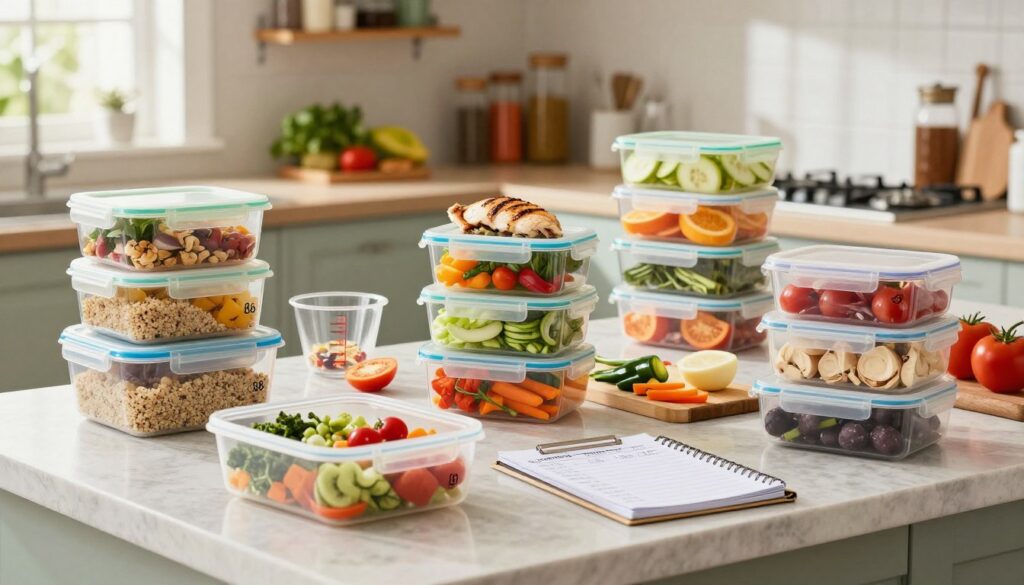
By the third week, you can transform your busy workdays with efficient meal prep habits. Implementing easy meal prep strategies allows you to reclaim your time while ensuring you always have a healthy option ready to go. When your fridge is stocked with pre-portioned meals, you are far less likely to rely on processed snacks or expensive takeout.
Days Fifteen and Sixteen: Make-Ahead Breakfasts and Mason Jar Salads
Start your week by preparing breakfasts that grab-and-go. Overnight oats or egg muffins are perfect for busy mornings when you have little time to cook. These meal prep for beginners staples ensure you start your day with a balance of protein and fiber.
For lunch, try assembling Mason jar salads. By layering your dressing at the bottom and hearty vegetables on top, your greens stay crisp for days. This simple method keeps your lunch fresh and prevents the dreaded soggy salad experience.
Days Seventeen and Eighteen: Sheet-Pan Chicken, Quinoa, and Vegetable Stir-Fry
Sheet-pan cooking is one of the most effective meal prep ideas for those with limited time. Simply toss lean chicken breast and colorful vegetables in olive oil and herbs, then roast them together until tender. This method minimizes cleanup and provides a high-protein dinner that tastes great even when reheated.
Pair your roasted proteins with a batch of fluffy quinoa. Quinoa is a versatile grain that absorbs flavors well and keeps you feeling full throughout the afternoon. You can easily mix these components into bowls for a quick, balanced meal.
Days Nineteen and Twenty: Bean Tacos, Turkey Meatballs, and Simple Soups
Mid-week is the ideal time to utilize batch cooking. Preparing a large pot of turkey meatballs or a hearty vegetable soup provides multiple servings for your upcoming dinners. These dishes are naturally nutrient-dense and hold up well in the refrigerator for several days.
- Bean Tacos: Use canned black beans seasoned with cumin and chili powder for a fast, plant-based protein source.
- Turkey Meatballs: Bake a large batch to serve over zucchini noodles or whole-grain pasta.
- Simple Soups: Focus on broth-based recipes packed with leafy greens and lean proteins.
Day Twenty-One: Using Freezer-Friendly Meals and Planned Leftovers
As you reach the end of the week, look toward your freezer for support. Having a few pre-portioned, freezer-friendly meals acts as a safety net for those days when your schedule becomes unpredictable. This approach is a cornerstone of meal prep ideas that promote long-term success.
Finally, embrace the power of planned leftovers to clear out your fridge. Combining remaining proteins and grains into a fresh stir-fry or a warm salad is a smart way to reduce food waste. These habits are essential for meal prep for beginners who want to maintain their progress without feeling overwhelmed by daily cooking demands.
Week Four: Sustainable Meals for the Final Stretch
Entering the fourth week means you are ready to solidify your new habits with sustainable, delicious choices. By now, you understand that a healthy meal plan is not about restriction, but about fueling your body with the right nutrients. These final days focus on keeping your momentum high while enjoying low-calorie meals that never feel boring.
Days Twenty-Two and Twenty-Three: Protein Pancakes, Salmon Bowls, and Chicken Soup
Start your week with protein-packed pancakes made from oats and egg whites to keep your energy steady. For lunch, enjoy a vibrant salmon bowl topped with fresh greens and a light vinaigrette. These quick recipes ensure you stay on track without spending hours in the kitchen.
Dinner features a hearty chicken soup loaded with carrots, celery, and kale. This balanced meal plan approach provides comfort while keeping your calorie intake exactly where it needs to be.
Days Twenty-Four and Twenty-Five: Vegetable Omelets, Chickpea Salads, and Turkey Burgers
Whisk up a fluffy vegetable omelet with spinach and mushrooms for a high-protein breakfast. Lunch consists of a zesty chickpea salad, which offers plenty of fiber to keep you full until your next meal. These diet-friendly meals prove that simple ingredients can create a satisfying dining experience.
For dinner, grill lean turkey burgers served with a side of roasted zucchini. Using fresh herbs and spices helps you maintain flavor without adding unnecessary calories.
Days Twenty-Six and Twenty-Seven: Smoothie Bowls, Cod, and Healthy Pasta
Blend frozen berries and protein powder into a thick smoothie bowl topped with chia seeds for a refreshing start. Lunch includes baked cod seasoned with lemon and garlic, paired with steamed asparagus. These quick and easy recipes are perfect for maintaining your progress during a busy week.
Enjoy a portion of whole-wheat pasta tossed with cherry tomatoes and basil for dinner. This meal demonstrates how you can include your favorite foods while staying within your goals.
Days Twenty-Eight and Twenty-Nine: Leftover Combinations and Easy Slow-Cooker Meals
Use your remaining ingredients to create creative leftover bowls, mixing grains with roasted vegetables and lean protein. Slow-cooker meals are a lifesaver during this final stretch, allowing you to prep a large batch of stew or chili in the morning. These diet-friendly meals provide convenience when your schedule gets tight.
Remember that consistency is more important than perfection. By focusing on quick and easy recipes, you build a healthy meal plan that you can sustain long after these thirty days are over.
Healthy Recipes and Mix-and-Match Meal Prep Formulas
Discover how simple, reusable templates can transform your daily meal preparation into a stress-free habit. By mastering a few core formulas, you can maintain your progress without feeling tied to a rigid schedule. Nutritious cooking becomes an intuitive process once you understand how to balance your plate using flexible ingredient categories.
Low-Calorie Breakfast Formulas with Protein and Fiber
Start your day with a combination that keeps you full until lunch. A reliable formula involves mixing a high-protein base, such as Greek yogurt or egg whites, with a fiber-rich source like berries or chia seeds. This simple approach ensures you get the energy you need without unnecessary calories.
Try rotating your toppings to keep things interesting. Using nuts, seeds, or a sprinkle of cinnamon can turn basic ingredients into quick and nutritious meals that feel like a treat.
Build-Your-Own Lunch Bowls with Lean Protein and Whole Grains
Lunch bowls are the ultimate solution for busy workdays. Start with a base of leafy greens or cooked quinoa, then add a palm-sized portion of lean protein like grilled chicken, tofu, or chickpeas. Top your bowl with colorful raw vegetables and a light vinaigrette to finish.
These meal prep ideas allow you to use whatever is currently in your refrigerator. By keeping a few staples on hand, you can assemble a fresh, satisfying lunch in under ten minutes.
Fast One-Pan Dinners for Minimal Cleanup
When you want quick and easy recipes that don’t leave a mountain of dishes, sheet-pan cooking is your best friend. Simply toss your favorite protein and chopped vegetables in olive oil, herbs, and spices, then roast them together until tender.
This method is perfect for those who value efficiency. You can experiment with different flavor profiles, such as lemon-garlic or chili-lime, to keep your dinner routine exciting and completely sustainable.
Simple Snacks and Desserts Made with Nutrient-Dense Ingredients
Satisfying your cravings doesn’t have to derail your goals. Focus on snacks that combine healthy fats and protein, such as apple slices with almond butter or a small handful of walnuts. These healthy recipes provide steady energy throughout the afternoon.
For a sweet finish, try frozen grapes or a small bowl of cottage cheese topped with cocoa powder. These quick and nutritious meals and treats prove that you can enjoy delicious food while staying on track with your weight loss journey.
How to Shop, Prep, and Store Food Efficiently
Efficient kitchen management turns a daunting 30-day plan into a simple, stress-free habit. When you have a clear system in place, you remove the guesswork that often leads to unhealthy choices. This meal planning guide helps you stay consistent and confident throughout your entire journey.
Organizing a Weekly Grocery Trip Around the Meal Plan
Start by reviewing your menu for the week before you head to the store. Write down every ingredient needed, checking your pantry first to avoid buying duplicates. This simple step ensures you purchase items in useful quantities, which keeps your grocery bill low and prevents food waste.
Stick to your list strictly to avoid impulse buys that do not align with your goals. Shopping with a purpose makes the process faster and keeps your kitchen stocked with exactly what you need for easy meal planning.
Completing a One- to Two-Hour Weekly Prep Session
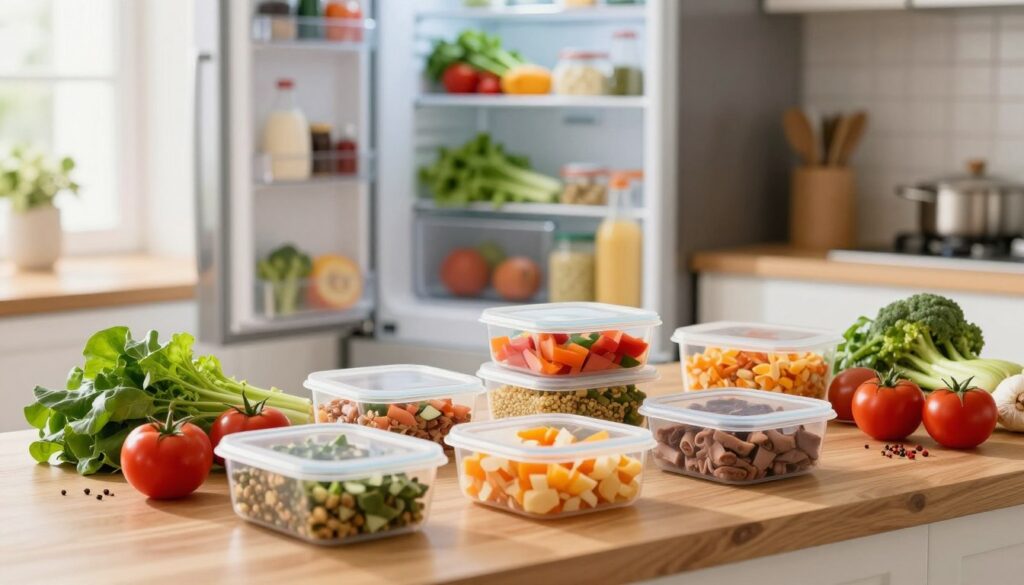
You do not need to spend your entire weekend in the kitchen to see results. Dedicate just one to two hours to a focused session where you wash, chop, and portion your ingredients. Having pre-cut vegetables and cooked proteins ready to go makes easy meal prep a reality during busy workdays.
Use clear, airtight containers to store your prepared items. Labeling them with the date helps you keep track of freshness. This small investment of time upfront pays off by saving you hours of cleanup and cooking during the week.
Safely Refrigerating, Freezing, and Reheating Prepared Meals
Food safety is a vital part of any successful diet. Always store perishable items in the refrigerator within two hours of cooking to maintain quality. If you prepare large batches, freeze individual portions that you can easily grab later.
When reheating, ensure your food reaches a safe internal temperature. Using glass containers is often better for reheating, as they do not leach chemicals and are easy to clean. These meal prep ideas ensure your food stays delicious and safe to eat.
Using Leftovers Before They Spoil
The best way to avoid waste is to rotate your meals effectively. Eat your most perishable items, like fresh salads or fish, within the first few days of the week. Save heartier dishes like chili or stews for later in the week or freeze them for future use.
If you find yourself with extra ingredients, get creative by tossing them into a quick stir-fry or a morning omelet. Mastering these habits makes easy meal planning feel like second nature. By staying organized, you remain in control of your health and your results.
Adjust the Plan for Preferences, Dietary Needs, and Real Life
Flexibility is the secret ingredient to making any eating plan work for the long haul. Rather than viewing this guide as a rigid set of rules, think of it as a flexible framework designed to support your unique lifestyle. You can easily modify these diet-friendly meals to match your personal tastes and specific health requirements.
Vegetarian and Plant-Based Protein Substitutions
If you prefer to avoid meat, you can easily swap animal proteins for plant-based alternatives. Replace chicken or turkey with firm tofu, tempeh, or seitan to maintain high protein levels. Lentils, chickpeas, and black beans are also excellent staples for a nutritious diet plan that keeps you full and satisfied.
Gluten-Free and Dairy-Free Meal Swaps
Managing food sensitivities is simple when you know which ingredients to swap. For a gluten-free approach, replace wheat-based grains with quinoa, brown rice, or buckwheat. If you are dairy-free, use unsweetened almond or oat milk and coconut-based yogurts to keep your healthy meal plan creamy and delicious.
Adjusting Portions for Hunger, Exercise, and Weight Changes
Your body’s energy needs will naturally fluctuate based on your daily activity level. If you are training harder or feeling hungrier than usual, increase your portion of complex carbohydrates or healthy fats. Conversely, if you are less active, focus on filling your plate with extra leafy greens and non-starchy vegetables to stay satisfied without exceeding your calorie goals.
What to Do When You Miss a Prep Session or Meal
Life often gets in the way, and missing a scheduled meal prep session is perfectly normal. Do not let one busy day derail your progress or cause unnecessary stress. Simply choose a quick, balanced option like a pre-cooked rotisserie chicken or a simple salad from a local grocery store.
Recovery is about consistency, not perfection. If you miss a meal, just resume your next scheduled serving without trying to “make up” for it later. Staying kind to yourself is the best way to ensure your healthy meal plan remains a sustainable part of your life.
Healthy Eating Tips to Maintain Results After Thirty Days
Your journey toward better health does not end when the calendar hits day thirty. Incorporating healthy eating tips into your daily life ensures that the progress you have made becomes a permanent part of your lifestyle.
Focusing on long-term behavior change is far more rewarding than relying on short-term restriction. By building sustainable habits, you create a foundation for lasting wellness.
Tracking Progress Beyond the Number on the Scale
The scale is only one tool for measuring your success. Many people find that an effective diet plan yields results that numbers simply cannot capture.
Pay attention to how your clothes fit and how much energy you have throughout the day. Notice improvements in your sleep quality, mood, and physical strength during your workouts.
Gradually Transitioning from a Structured Plan to Flexible Eating
Moving away from a strict weight loss meal plan does not mean abandoning your progress. Instead, start by introducing one or two flexible meals each week while keeping your core habits intact.
This gradual shift helps you learn how to make mindful choices in social settings or restaurants. You are essentially learning to trust your own judgment while maintaining the structure that helped you succeed.
Maintaining Protein, Produce, and Portion Awareness
Even after you finish your initial slim down meal plan, keep prioritizing high-quality protein and plenty of colorful vegetables. These two elements are the cornerstones of satiety and metabolic health.
Continue to practice portion awareness by using smaller plates or listening to your body’s hunger cues. Consistency with these basics prevents the common cycle of regaining weight after a program ends.
Recognizing When a Weight Loss Program Needs Professional Guidance
Sometimes, your body may require a more personalized approach than a general weight loss program can provide. If you feel stuck or notice persistent fatigue, it may be time to consult a registered dietitian or physician.
Professional guidance is invaluable if you have underlying health conditions or specific nutritional needs. Seeking expert advice is a sign of strength and a commitment to your long-term health goals.
Conclusion
Achieving your health goals becomes much easier when you have a clear roadmap. The simple slim kitchen 30-day meal plan provides the structure needed to transform your daily habits through organized shopping and efficient preparation.
You now possess the tools to manage portions and prioritize nutrient-dense ingredients. This balanced meal plan serves as a foundation for your long-term success rather than a temporary fix.
Continue applying these healthy eating tips by focusing on protein, fiber, and hydration in every meal. Use your experience with planned leftovers to save time during busy work weeks.
Sustainable progress relies on your ability to adapt these strategies to your changing lifestyle. Listen to your body and seek professional guidance if you need personalized adjustments for your specific health requirements.
Your journey toward better health is a continuous process of making informed choices. Keep refining your approach to ensure your kitchen remains a place of nourishment and vitality for years to come.
FAQ
What exactly is the Simple Slim Kitchen 30-day meal plan?
The Simple Slim Kitchen 30-day meal plan is a practical, structured framework designed to help you reach your goals through nutritious cooking and repeatable daily routines. Unlike restrictive fads, this weight loss meal plan focuses on balanced meal plan principles, combining lean proteins, fiber-rich vegetables, and healthy fats to ensure you feel satisfied while maintaining a moderate calorie deficit.
Is this plan suitable for someone looking for meal prep for beginners?
Yes! We specifically designed this as a meal prep for beginners guide. You don’t need professional culinary skills or expensive equipment; just a few basic Pyrex glass containers and a couple of hours once a week. We provide meal prep ideas like sheet-pan dinners and Mason jar salads that make easy meal prep accessible for anyone, regardless of their experience level in the kitchen.
How much time will I need to spend cooking these healthy recipes?
Most of our healthy recipes are designed to be quick and easy recipes that take 30 minutes or less to prepare. By utilizing easy meal planning techniques—such as prepping ingredients in batches—you can enjoy quick and nutritious meals even on your busiest workdays. This slim down meal plan is built for real life, not for professional chefs with unlimited free time.
Can I customize the diet-friendly meals for my specific dietary needs?
Absolutely. This nutritious diet plan is highly flexible. You can easily swap animal proteins for plant-based options like Tofurky or beans, or use Barilla gluten-free pasta if you have a sensitivity. The effective diet plan focuses on the formula of protein plus fiber, allowing you to choose the specific ingredients that fit your lifestyle and preferences.
Does the meal planning guide include a shopping strategy?
It does! A key part of our meal planning guide is organizing your grocery trip around versatile staples. We help you stock up on low-calorie meals by focusing on nutrient-dense items like Greek yogurt, spinach, and lean turkey. This approach to easy meal planning saves you money and prevents food waste by ensuring every item in your cart has a purpose in your healthy meal plan.
What are your top healthy eating tips for staying on track for the full 30 days?
One of our favorite healthy eating tips is to embrace the “cook once, eat twice” rule. Preparing a double portion of Turkey Chili or roasted vegetables provides you with diet-friendly meals ready to go for lunch the next day. Additionally, keeping a Hydro Flask filled with water nearby ensures you stay hydrated, which is essential for any successful weight loss program.
What happens after I finish the 30-day weight loss meal plan?
The goal of this weight loss program is to teach you sustainable habits that last a lifetime. Once you complete the initial month, you can continue using our mix-and-match formulas to create your own quick and nutritious meals. By maintaining your awareness of portions and protein, you can transition from a structured weight loss meal plan into a long-term, intuitive way of healthy eating that keeps the weight off for good.