
Starting a journey toward better health does not have to feel like a chore. Many people view eating plans as restrictive, but this mediterranean diet to lose weight in 30 days approach focuses on abundance rather than deprivation. It is a sustainable lifestyle shift designed for those who want real, lasting results without the stress of extreme fads.
This guide provides a clear framework to help you succeed. You will find simple recipes, helpful habits, and practical strategies that fit into your busy schedule. We will walk through everything from organizing your kitchen pantry to tracking your progress safely and effectively.
Remember that every body is unique. Your personal success depends on consistency, activity levels, and individual health needs. By following these steps, you are building a foundation for a healthier future that feels both natural and rewarding.
Key Takeaways
- Focus on whole, nutrient-dense foods for long-term wellness.
- Use a structured meal plan to simplify your daily routine.
- Prioritize consistency over perfection to see steady progress.
- Adjust portion sizes based on your specific activity levels.
- Consult with a professional if you have underlying health conditions.
What to Expect From 30 Days of Weight Loss With the Mediterranean Diet
Embarking on a 30-day journey with the Mediterranean diet offers a refreshing perspective on how you view your daily meals. This approach is not about deprivation, but rather about nourishing your body with high-quality, whole ingredients. By focusing on nutrient-dense foods, you can experience a natural shift in your energy levels and overall well-being.
How the Mediterranean eating pattern supports gradual weight loss
The weight loss with mediterranean diet approach works by prioritizing fiber-rich foods like vegetables, legumes, and whole grains. These items help you feel full for longer periods, which naturally reduces the urge to snack on empty calories. By replacing processed items with lean proteins like fish and poultry, you maintain muscle mass while shedding unwanted fat.
This eating pattern encourages a steady metabolic rate rather than the spikes and crashes associated with restrictive dieting. When you choose healthy fats like olive oil, you provide your body with the fuel it needs to function optimally. This creates a sustainable environment where your body can release stored energy more efficiently.
Realistic results versus rapid weight loss promises
It is important to understand that mediterranean diet benefits extend far beyond the numbers on a scale. While some programs promise drastic weight loss in a few days, these results are often temporary and difficult to maintain. Sustainable progress is usually slower, but it is much more likely to last for the long term.
“True health is not a sprint, but a marathon of consistent, mindful choices that honor your body’s needs over time.”
The following table highlights the differences between sustainable habits and rapid, often unsustainable, weight loss methods.
| Feature | Sustainable Approach | Rapid Weight Loss |
|---|---|---|
| Primary Focus | Nutrient density | Calorie restriction |
| Energy Levels | Stable and consistent | Frequent fatigue |
| Long-term Success | High probability | Low probability |
| Dietary Variety | High and diverse | Very limited |
Health factors that can affect Mediterranean diet weight loss results
Individual results can vary significantly based on several personal factors. Your starting weight, age, and current activity level all play a role in how quickly your body responds to dietary changes. Additionally, factors like sleep quality and stress management are crucial components that influence your metabolic health.
Certain medical conditions or medications may also impact your progress during these 30 days. It is always a good idea to listen to your body and make adjustments as needed. By focusing on these holistic elements, you set yourself up for success that goes well beyond a single month.
mediterranean diet to lose weight in 30 days: The Core Principles
Adopting a mediterranean diet plan is less about restriction and more about embracing a lifestyle of abundance. By focusing on whole, minimally processed foods, you provide your body with the essential nutrients it needs to thrive while naturally managing your weight.
Prioritize vegetables, fruit, beans, whole grains, and nuts
The foundation of this approach relies on plant-based foods. You should aim to fill half your plate with colorful vegetables at every meal. Whole grains like farro, quinoa, and oats provide sustained energy, while beans and nuts offer healthy fats and fiber to keep you full longer.
Choose olive oil, seafood, poultry, eggs, and yogurt wisely
Healthy fats are a cornerstone of this lifestyle, with extra virgin olive oil serving as the primary source. Incorporate seafood at least twice a week to benefit from omega-3 fatty acids. Poultry, eggs, and Greek yogurt are excellent protein sources that fit perfectly into balanced, daily meals.
Limit red meat, processed foods, added sugar, and refined grains
Reducing your intake of highly processed items makes it much easier to maintain a healthy weight. By cutting back on added sugars and refined white breads, you stabilize your blood sugar levels. This shift helps you avoid the energy crashes that often lead to overeating.
Use portions and hunger cues instead of rigid calorie rules
Many people find success by listening to their body rather than counting every single calorie. When you eat nutrient-dense foods, your natural hunger cues become more reliable. You can explore various mediterranean diet recipes for weight loss that prioritize flavor and satisfaction over strict, unsustainable rules.
The following table outlines how to categorize your food choices for better health outcomes:
| Food Category | Focus Frequency | Primary Benefit |
|---|---|---|
| Vegetables & Fruits | Every Meal | High Fiber & Vitamins |
| Whole Grains & Legumes | Daily | Sustained Energy |
| Seafood & Poultry | Weekly | Lean Protein |
| Processed Sweets | Rarely | Blood Sugar Control |
By integrating these principles, you create a sustainable path forward. Using simple mediterranean diet recipes for weight loss ensures that your meals remain exciting and delicious throughout your journey.
How to Set Up Your Mediterranean Weight Loss Plan
Transforming your eating habits becomes much easier when you have the right tools and ingredients ready to go. By organizing your kitchen and your mindset, you create a supportive environment that encourages long-term success. These mediterranean diet tips for weight loss focus on making healthy choices the most convenient ones in your daily routine.
Set a practical calorie and portion target
Rather than obsessing over rigid numbers, focus on listening to your body. Start by identifying a baseline that feels sustainable for your activity level, then adjust based on your hunger cues. True satisfaction comes from eating until you are comfortably full, not stuffed.
“The best diet is the one you can stick to for the long haul, focusing on quality and balance rather than restriction.”
Stock a Mediterranean foods grocery list
A well-stocked pantry is the backbone of any effective mediterranean diet meal plan. Fill your shelves with staples like canned chickpeas, lentils, whole grain pasta, and extra virgin olive oil. Keeping these items on hand ensures you can whip up a nutritious meal even on your busiest days.
Don’t forget to prioritize fresh produce and healthy fats. Fresh vegetables, seasonal fruits, and raw nuts provide the fiber and nutrients necessary to keep your energy levels stable. When you have these essentials ready, you eliminate the temptation to reach for processed alternatives.
Prepare ingredients for quick meals and snacks
Efficiency is key when you are trying to maintain a healthy lifestyle. Spend a little time each week washing, chopping, and portioning your vegetables so they are ready to grab. Having pre-cooked grains or roasted proteins in the fridge makes assembling a mediterranean diet meal plan feel like a breeze.
Consider keeping healthy snacks like hummus, Greek yogurt, or fresh berries visible and accessible. When you prepare your ingredients ahead of time, you remove the friction that often leads to poor food choices. Consistency is built through these small, intentional acts of preparation.
Build a Mediterranean Diet Meal Plan for Weight Loss
You can transform your health by building a balanced Mediterranean plate every day. While many mediterranean diet weight loss success stories. highlight impressive results, it is important to remember that every body responds differently to dietary changes. Consistency remains the most reliable path to achieving your personal weight loss. goals.
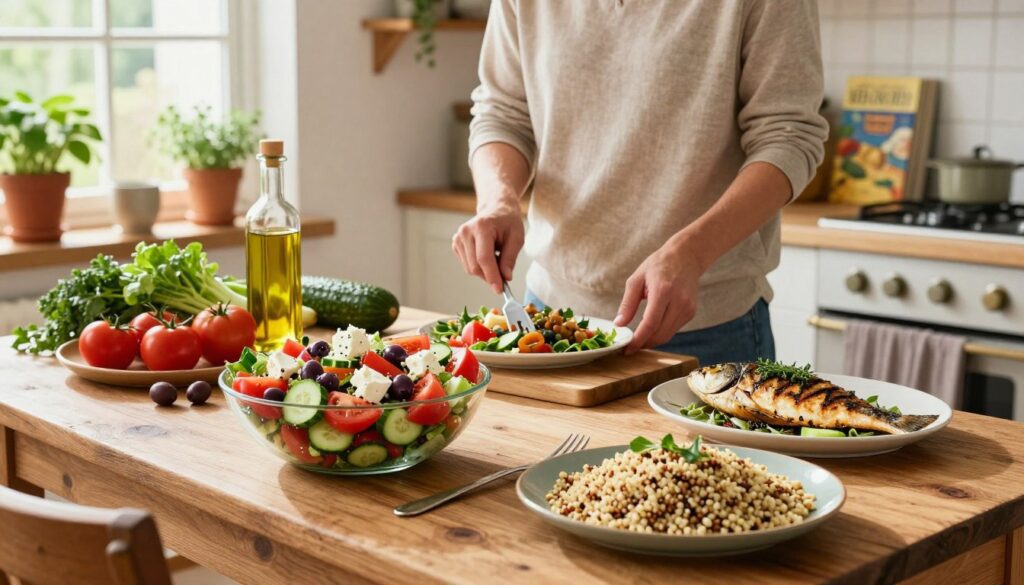
Use the Mediterranean plate formula at lunch and dinner
The secret to a satisfying meal lies in the balance of your plate. Aim to fill half of your plate with colorful, non-starchy vegetables like leafy greens, broccoli, or peppers. Add a palm-sized portion of lean protein, such as grilled chicken, chickpeas, or white fish, to keep your muscles fueled.
Complete your meal with a small serving of high-fiber carbohydrates like quinoa or whole-grain pasta. Drizzle a tablespoon of extra virgin olive oil over your food to provide healthy fats that keep you feeling satisfied long after you finish eating.
Plan balanced breakfasts with protein and fiber
Starting your day with the right nutrients prevents mid-morning energy crashes. A bowl of Greek yogurt topped with fresh berries and a sprinkle of walnuts offers a perfect blend of protein and fiber. Alternatively, try scrambled eggs with sautéed spinach on a slice of whole-grain toast for a savory start.
Choose snacks that support fullness between meals
Smart snacking bridges the gap between meals without sabotaging your progress. Reach for whole foods like an apple with a small handful of almonds or raw carrot sticks dipped in hummus. These options provide the crunch and fiber needed to curb hunger until your next main meal.
Adjust portions for activity level and personal hunger
Your body’s energy needs change based on your daily movement and metabolism. If you have a highly active day, you may need slightly larger portions of complex carbohydrates to maintain your energy levels. Conversely, on sedentary days, focus on increasing your vegetable intake to stay full while keeping calories moderate.
Listen to your internal hunger cues rather than following rigid, one-size-fits-all rules. Adjusting your intake based on your actual energy output is a key strategy for sustainable weight loss. and long-term health. Many mediterranean diet weight loss success stories. emphasize that learning to trust your body is just as important as the food on your plate.
Your 30-Day Mediterranean Diet Plan at a Glance
This 30-day guide offers a structured approach to help you adopt a Mediterranean lifestyle at your own pace. Rather than demanding an abrupt overhaul, this healthy eating plan focuses on building small, sustainable habits that last a lifetime.
“The Mediterranean way of eating is not a restrictive diet, but a celebration of fresh, wholesome ingredients that nourish the body and soul.”
Week 1: Replace highly processed foods and establish meal timing
The first week is all about clearing your pantry of hidden sugars and refined snacks. You will focus on consistent meal timing to help regulate your hunger cues. By removing processed items, you create space for more nutrient-dense choices.
Week 2: Increase vegetables, legumes, and whole grains
During the second week, you will begin to fill your plate with fiber-rich foods. Incorporating more beans, lentils, and whole grains helps keep you full for longer periods. This phase is essential for stabilizing your energy levels throughout the day.
Week 3: Emphasize seafood, plant proteins, and home cooking
Now is the time to experiment with new mediterranean recipes that highlight fresh seafood and plant-based proteins. Cooking at home allows you to control the quality of your ingredients and the amount of healthy fats used. You will find that preparing your own meals is both rewarding and delicious.
Week 4: Refine portions and create sustainable routines
In the final week, you will review your progress and fine-tune your portion sizes to match your activity level. This phase ensures that your healthy eating plan remains flexible and enjoyable for the long term. You are now ready to maintain these habits as a permanent part of your lifestyle.
| Week | Primary Focus | Key Goal |
|---|---|---|
| Week 1 | Clean Pantry | Remove processed foods |
| Week 2 | Fiber Boost | Add legumes and grains |
| Week 3 | Home Cooking | Try new mediterranean recipes |
| Week 4 | Sustainability | Refine portion control |
Week 1: Start With Simple Mediterranean Meals
Starting your 30-day transition requires a focus on simplicity rather than perfection. During these first seven days, your primary goal is to establish a consistent rhythm through basic meal planning. By keeping your routine predictable, you create an effective diet plan that minimizes decision fatigue and helps you stay on track.
Breakfast choices for the first week
You do not need to spend hours in the kitchen to enjoy a nutritious start to your day. Focus on simple, high-protein options that keep you full until lunch. Consider these quick combinations:
- Greek yogurt topped with a handful of fresh berries and a sprinkle of walnuts.
- Whole-grain toast spread with mashed avocado and a poached or hard-boiled egg.
- A bowl of warm oatmeal prepared with water or milk, stirred with a dash of cinnamon.
Easy lunches and dinners for weight loss
The secret to success is choosing familiar ingredients that require minimal preparation. You can build an effective diet plan by rotating a few core recipes that you already enjoy. Try these simple strategies for your main meals:
- Keep a large bowl of mixed greens in the fridge for instant side salads.
- Use canned chickpeas or lentils to add instant fiber to any vegetable soup or stir-fry.
- Roast a tray of seasonal vegetables like broccoli or zucchini to serve alongside grilled chicken or fish.
First-week strategies for reducing sugar and refined snacks
Transitioning away from processed snacks is much easier when you have better alternatives ready to go. Instead of reaching for sugary treats, keep your pantry stocked with whole-food options that satisfy your cravings. Proper meal planning allows you to swap refined snacks for more nourishing choices without feeling deprived.
Small changes make a big difference during this initial phase. Try replacing your afternoon cookie with a piece of fresh fruit or a small portion of almonds. By focusing on these simple substitutions, you build the confidence needed to carry your progress into the following weeks.
Week 2: Increase Fiber and Mediterranean Foods
As you move into the second week, your body will begin to adapt to the increased volume of wholesome mediterranean foods. This phase emphasizes fiber-rich ingredients that promote satiety and digestive health. By shifting your focus toward plant-based staples, you create a sustainable foundation for your long-term wellness journey.
Build meals around beans, lentils, and vegetables
Legumes are the cornerstone of a fiber-forward approach. Incorporating chickpeas, black beans, or lentils into your lunch and dinner provides essential plant protein and complex carbohydrates. These ingredients keep your blood sugar stable and prevent mid-afternoon energy crashes.
Try to fill half of your plate with colorful vegetables at every meal. Whether you choose roasted broccoli, fresh spinach, or sautéed bell peppers, these additions provide volume without excessive calories. Variety is key to ensuring you receive a wide spectrum of vitamins and minerals.
Prepare Mediterranean recipes for weight loss in batches
Busy workdays often lead to poor food choices, but batch cooking can save your progress. Dedicate a few hours on Sunday to cook a large pot of lentil soup or a batch of quinoa. Having pre-cooked grains and legumes ready in your refrigerator makes assembling a healthy meal quick and effortless.
When you prepare mediterranean foods in advance, you remove the temptation of processed convenience items. Store your ingredients in glass containers to keep them fresh throughout the week. This simple habit ensures you always have a nutritious option available when hunger strikes.
Manage hunger, cravings, and common adjustment symptoms
It is important to remember that this plan focuses on healthy behavior change rather than promising rapid weight loss within a fixed timeframe. As you increase your fiber intake, you might experience temporary bloating or digestive changes. These symptoms are usually a sign that your body is adjusting to a healthier, more natural way of eating.
Stay hydrated by drinking plenty of water throughout the day to help your system process the extra fiber. If you feel hungry between meals, listen to your body and choose nutrient-dense snacks. Consistency is far more effective than seeking rapid weight loss through restrictive measures.
Use fruit, nuts, and hummus for satisfying snacks
Snacking should be an opportunity to nourish your body rather than a way to fill time. A small handful of raw almonds or walnuts provides healthy fats that keep you full until your next meal. Pair these with a piece of seasonal fruit for a perfect balance of fiber and natural sweetness.
Hummus is another excellent staple to keep on hand. It serves as a creamy, protein-rich dip for carrot sticks, cucumber slices, or bell pepper strips. These simple, whole-food snacks are essential for maintaining your energy levels and preventing overeating during main meals.
| Food Category | Fiber Content | Best Use |
|---|---|---|
| Lentils | High | Soups and Salads |
| Chickpeas | High | Hummus and Bowls |
| Almonds | Moderate | On-the-go Snacking |
| Berries | Moderate | Breakfast Toppings |
Week 3: Add Seafood, Flavor, and Meal Variety
As you continue to slim down in a month, the third week is the perfect time to elevate your meals by incorporating more seafood and aromatic herbs into your daily routine. This phase focuses on keeping your taste buds excited while ensuring your body receives high-quality nutrients. By embracing variety, you prevent boredom and build sustainable habits that last well beyond your initial goals.
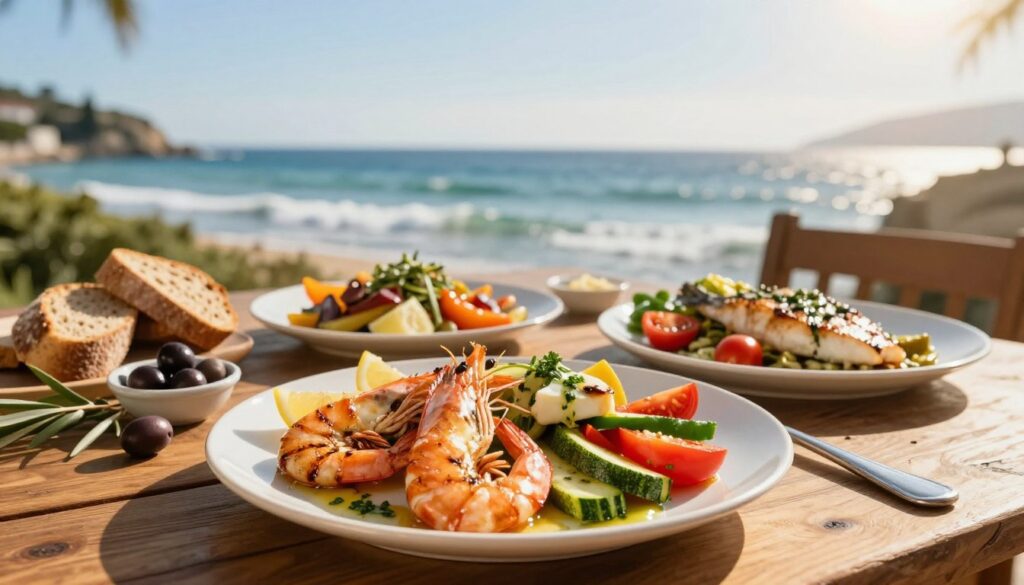
Plan two or more seafood meals
Seafood is a cornerstone of the Mediterranean diet, providing essential omega-3 fatty acids and lean protein. Aim to include at least two servings of fish or shellfish, such as salmon, cod, or shrimp, throughout your weekly schedule. Fresh or frozen options work equally well, making it easy to prepare quick, heart-healthy dinners that keep you feeling full.
Use herbs, spices, citrus, and vinegar instead of excess salt
You can transform simple ingredients into gourmet dishes by relying on natural flavor enhancers rather than the salt shaker. Fresh herbs like parsley, basil, and dill add brightness, while spices like cumin or smoked paprika provide depth. A splash of lemon juice or a drizzle of balsamic vinegar can awaken your palate without adding unnecessary sodium or calories.
Enjoy healthy fats while keeping portions appropriate
A successful mediterranean weight loss plan includes beneficial fats from sources like extra virgin olive oil, raw nuts, seeds, and creamy avocado. While these foods are nutrient-dense, they are also calorie-dense, so mindfulness is key. Use a measured tablespoon of oil for cooking or a small handful of nuts as a snack to ensure you stay within your energy needs.
Handle restaurant meals, takeout, and social events
Social gatherings and dining out do not have to derail your progress. When eating at a restaurant, look for grilled seafood or vegetable-heavy dishes and ask for dressings on the side. Remember that one flexible choice is not a failure; it is simply part of a balanced life. By focusing on consistent, healthy habits, you will continue to slim down in a month while enjoying the social aspects of your journey.
Week 4: Fine-Tune Portions and Make the Plan Sustainable
Reaching the final week of your journey is a major milestone in your health transformation. By now, you have likely noticed significant changes in how you feel and how your clothes fit. This is the ideal time to look back at your progress and ensure your new habits are built to last.
While many people search for a mediterranean diet for quick weight loss, the true power of this lifestyle lies in its consistency. Instead of focusing on daily scale fluctuations, look at your overall trends in energy levels and hunger cues. If you feel satisfied and energized, you are likely on the right track toward sustainable success.
Review hunger, energy, weight, and adherence patterns
Take a moment to reflect on your adherence to the plan over the last three weeks. Ask yourself if your current meal timing and portion sizes feel natural or forced. Consistency is the secret ingredient to long-term health, so prioritize routines that you can realistically maintain for months or years.
Adjust meals when weight loss has slowed
If you notice that your progress has stalled, avoid the temptation to cut calories drastically. Drastic restriction often leads to burnout and metabolic slowdown. Instead, try these gentle adjustments:
- Increase your intake of non-starchy vegetables to boost volume without adding excess calories.
- Review your portion sizes of calorie-dense foods like nuts, olive oil, and cheese.
- Ensure you are getting enough protein at every meal to support muscle maintenance.
- Incorporate more movement into your day, such as a brisk walk after dinner.
Create a repeatable weekly Mediterranean meal plan
To keep your momentum going, create a simple, repeatable menu. Having a set of “go-to” meals reduces decision fatigue and makes healthy eating feel effortless. Use the following table to organize your core weekly structure:
| Meal Type | Core Component | Example |
|---|---|---|
| Breakfast | Protein + Fiber | Greek yogurt with berries |
| Lunch | Vegetables + Legumes | Lentil salad with greens |
| Dinner | Lean Protein + Veggies | Baked fish with roasted squash |
Plan flexible meals without turning treats into setbacks
Many people worry that a mediterranean diet for rapid weight loss requires perfection, but that is simply not true. Life includes social events, holidays, and cravings, and that is perfectly okay. The key is to practice the 80/20 rule, where the majority of your meals are nutrient-dense while allowing for occasional flexibility.
When you do enjoy a treat, simply return to your healthy habits at the very next meal. Do not view a single indulgence as a failure; instead, see it as a normal part of a balanced life. By staying flexible, you ensure that your weight loss journey remains a positive experience rather than a restrictive chore.
Track Progress and Stay Safe During the 30-Day Plan
Successfully completing a mediterranean diet 30-day weight loss challenge involves tracking your progress beyond just the numbers on a scale. This period serves as a valuable window to observe how your body responds to nutrient-dense, whole foods. By focusing on holistic markers, you gain a clearer picture of your overall health improvements.
Measure progress beyond the scale
When you aim to lose weight with the mediterranean diet, the scale is only one small part of the story. Many people find that their body composition changes even when the weight fluctuates slowly. Consider tracking these non-scale victories to stay motivated:
- Waist measurements: A shrinking waistline is often a better indicator of fat loss than total body weight.
- Clothing fit: Notice how your favorite jeans or shirts feel more comfortable over time.
- Energy and mood: Consistent blood sugar levels often lead to more stable energy throughout the day.
- Strength and sleep: Improved sleep quality and increased physical stamina are clear signs that your body is thriving.
Recognize signs that portions or food choices need adjustment
It is normal to experience a brief adjustment period when changing your eating habits. However, you should listen closely to your body if you notice persistent discomfort. Pay attention to these warning signs that suggest you may need to tweak your approach:
- Feeling constantly fatigued or lightheaded during daily activities.
- Experiencing digestive distress that does not subside after the first week.
- Dealing with intense, uncontrollable hunger that makes it hard to focus.
- Noticing signs of disordered eating patterns or an unhealthy obsession with food tracking.
Discuss dietary changes with a healthcare professional when needed
Your safety remains the top priority throughout this journey. If you have pre-existing medical conditions, are pregnant, or take regular medications, you should consult with a doctor before starting any new regimen. A healthcare professional can provide personalized guidance based on your specific health history.
Furthermore, if you have known food allergies or require significant dietary restrictions, professional advice ensures your plan remains balanced. Always prioritize your long-term health over rapid results. Open communication with your medical team helps you navigate this transition with confidence and peace of mind.
Conclusion
Achieving your health goals requires more than a short-term fix. Your mediterranean diet weight loss results depend on consistent habits, quality food choices, and adequate sleep. Balancing your activity levels with nutrient-dense meals creates a foundation for long-term success.
A sustainable mediterranean diet meal plan for weight loss should remain flexible enough to fit your lifestyle beyond the first month. You can enjoy fresh vegetables, legumes, whole grains, and seafood while maintaining your progress. This approach turns healthy eating into a natural part of your daily routine rather than a temporary challenge.
The best mediterranean diet for weight loss is one you can follow comfortably for years. Use the recipes and habits outlined here as a starting point for your journey. Focus on the quality of your ingredients and listen to your body to find what works best for you. Lasting change comes from small, steady steps toward a healthier version of yourself.