
Embarking on a plant-based journey is often motivated by a desire for better health, environmental stewardship, or increased energy, yet the prospect of completely changing how you eat can feel overwhelming. The key to a successful transition lies in viewing it as an evolution rather than an overnight revolution. By focusing on gradual integration and abundance rather than restriction, you can build a sustainable lifestyle that satisfies your palate while nourishing your body. This guide explores how to navigate this shift with ease, ensuring your transition is both enjoyable and long-lasting.
“True transformation does not require erasing your past, but rather planting the seeds of a new future, one nourishing meal at a time.”
The most effective way to adopt a plant-based diet is to lean into the concept of “crowding out.” Instead of fixating on the animal products you are removing, focus your energy on the vibrant array of vegetables, legumes, whole grains, nuts, and seeds you are adding to your plate. Start by “veganizing” familiar favorites—swap ground beef for lentils in your taco night, or use a creamy cashew sauce in your favorite pasta dish. This approach reduces the cognitive load of learning entirely new recipes while allowing you to discover new textures and flavors at your own pace. As you experiment, you’ll find that plant-based proteins and fiber-rich staples not only provide steady energy but also dramatically increase the nutrient density of your daily intake.
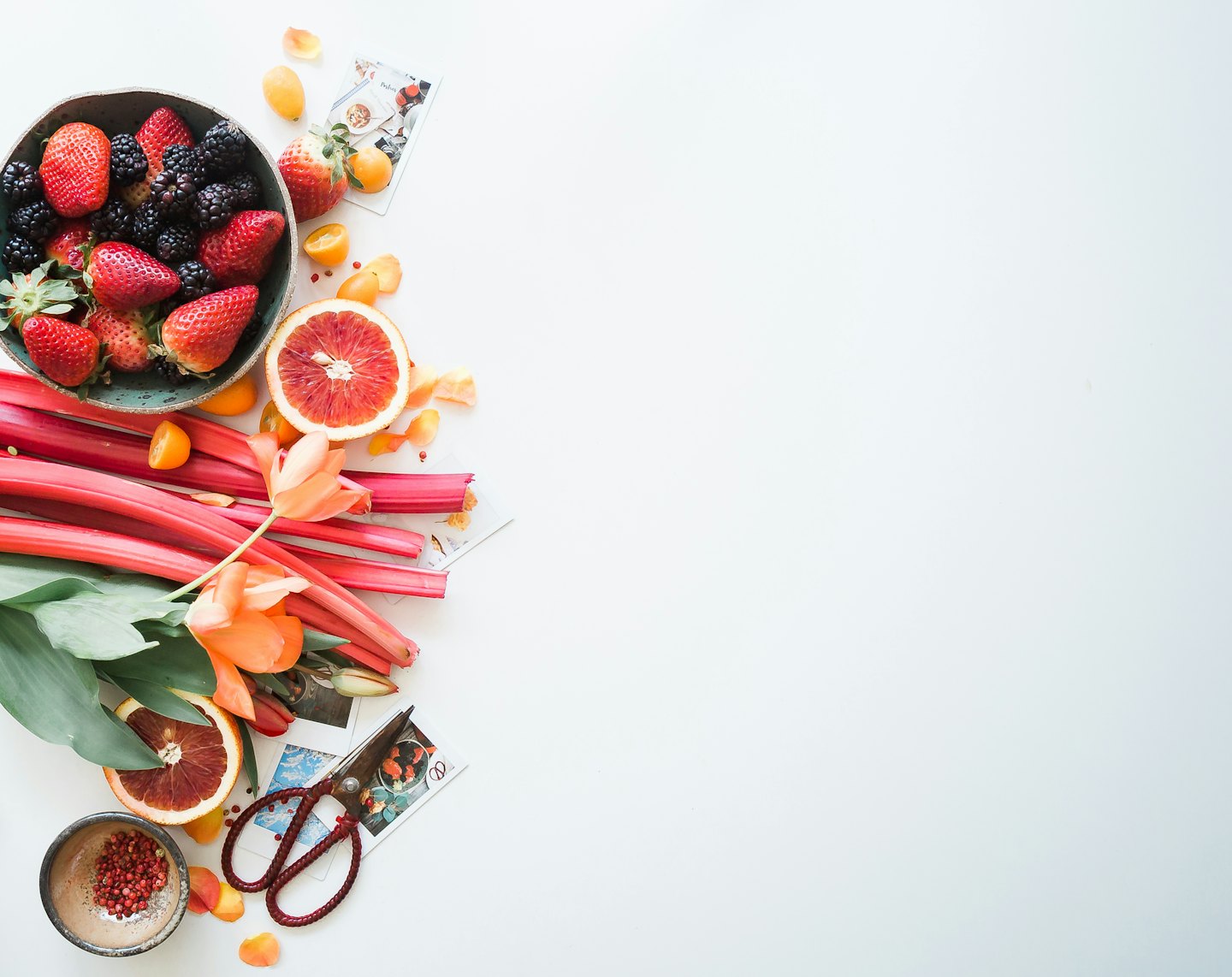
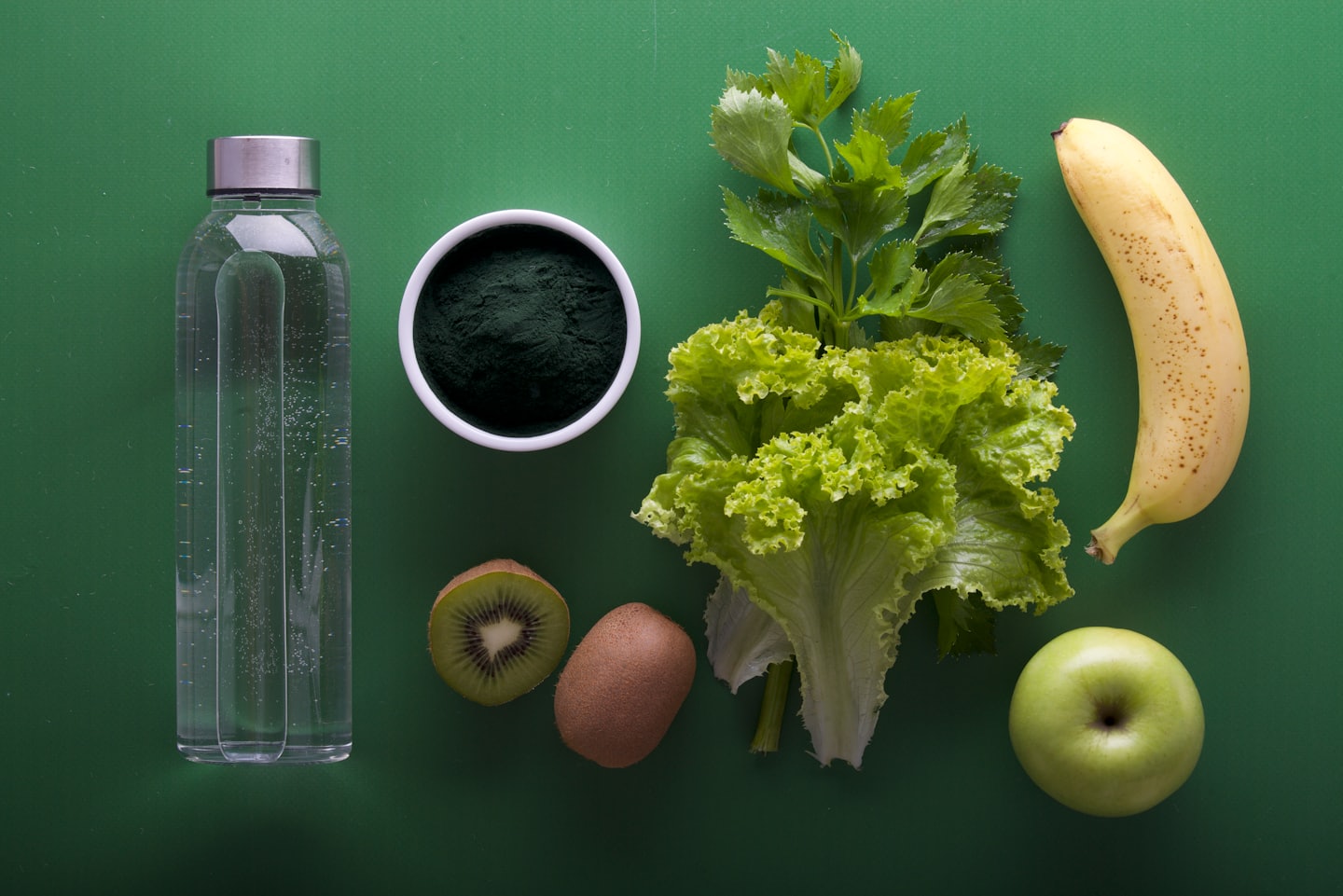
As you progress, it is vital to keep your approach flexible and compassionate. Many people find success by starting with specific themes, such as “Meatless Mondays” or focusing solely on plant-based breakfasts, before gradually expanding to other meals. You might also find yourself questioning how to meet your nutritional needs, particularly regarding protein or vitamins like B12. Transitioning is the perfect opportunity to learn the basics of balanced plant nutrition, such as combining complementary proteins and prioritizing iron-rich greens. Remember that it is better to be consistent and imperfect than to aim for absolute perfection and burn out within a month; your goal is to create a pattern of eating that fits seamlessly into your life, not a temporary experiment.
Wrapping Up with Key Insights
Transitioning to a plant-based diet is a personal journey that rewards patience, curiosity, and consistent effort. By shifting your focus toward adding nutrient-dense whole foods, getting creative with plant-forward versions of your favorite meals, and listening to your body’s needs, you create a lifestyle that is both sustainable and deeply rewarding. Remember that each plant-based meal you choose is a positive step toward better health and a lighter environmental footprint. Embrace the process, celebrate the small victories, and stay mindful of the long-term vitality you are cultivating.
What is one favorite meal you think you could successfully transform into a plant-based version this week?